

60 Meters Tall, Over 40 Tons, 4 Support Points —
How Does the Rocket “Walk” 1.5 Kilometers Upright Without Tipping Over?
At 23:08 on May 24, the Shenzhou-23 manned spacecraft was successfully launched from the Jiuquan Satellite Launch Center.
At the launch preparation site, many people may have seen this scene: a towering rocket and spacecraft combination, dozens of meters high, slowly rolling out of the assembly building along steel tracks, step by step, “standing” its way toward the launch tower.
Some might wonder: the rocket is 60 meters tall and weighs over 40 tons—shouldn’t it be transported horizontally for greater safety?Why does it stand upright during transport? And why doesn’t it tip over?
Today, let’s uncover the secrets behind this process.
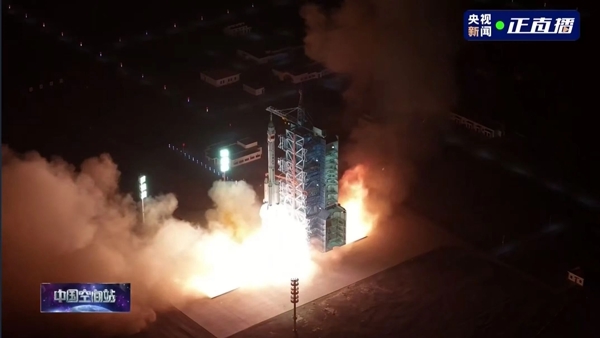
Shenzhou-23 launch site
Can rockets only move upright?
The answer is no. In fact, there are two primary methods of rocket transportation: horizontal transport (lying down) and vertical transport (standing up).
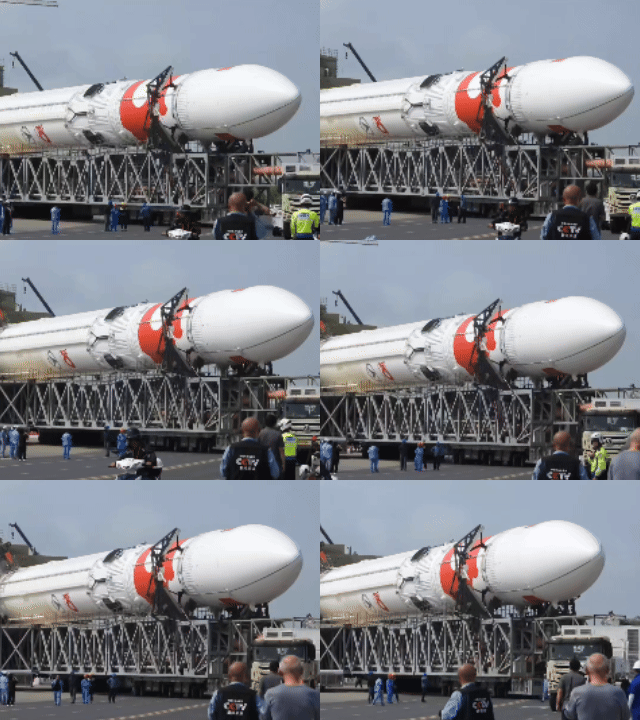
horizontal transfer
However, for crewed missions or high-value exploration missions, engineers typically opt for vertical transfer.
This is because the rocket remains in the same orientation as it will be for launch throughout the entire transfer process.
Once the transfer is complete, most of the pre-launch test data can be carried over directly, maximizing the safety of the mission and the stability of the rocket’s condition.
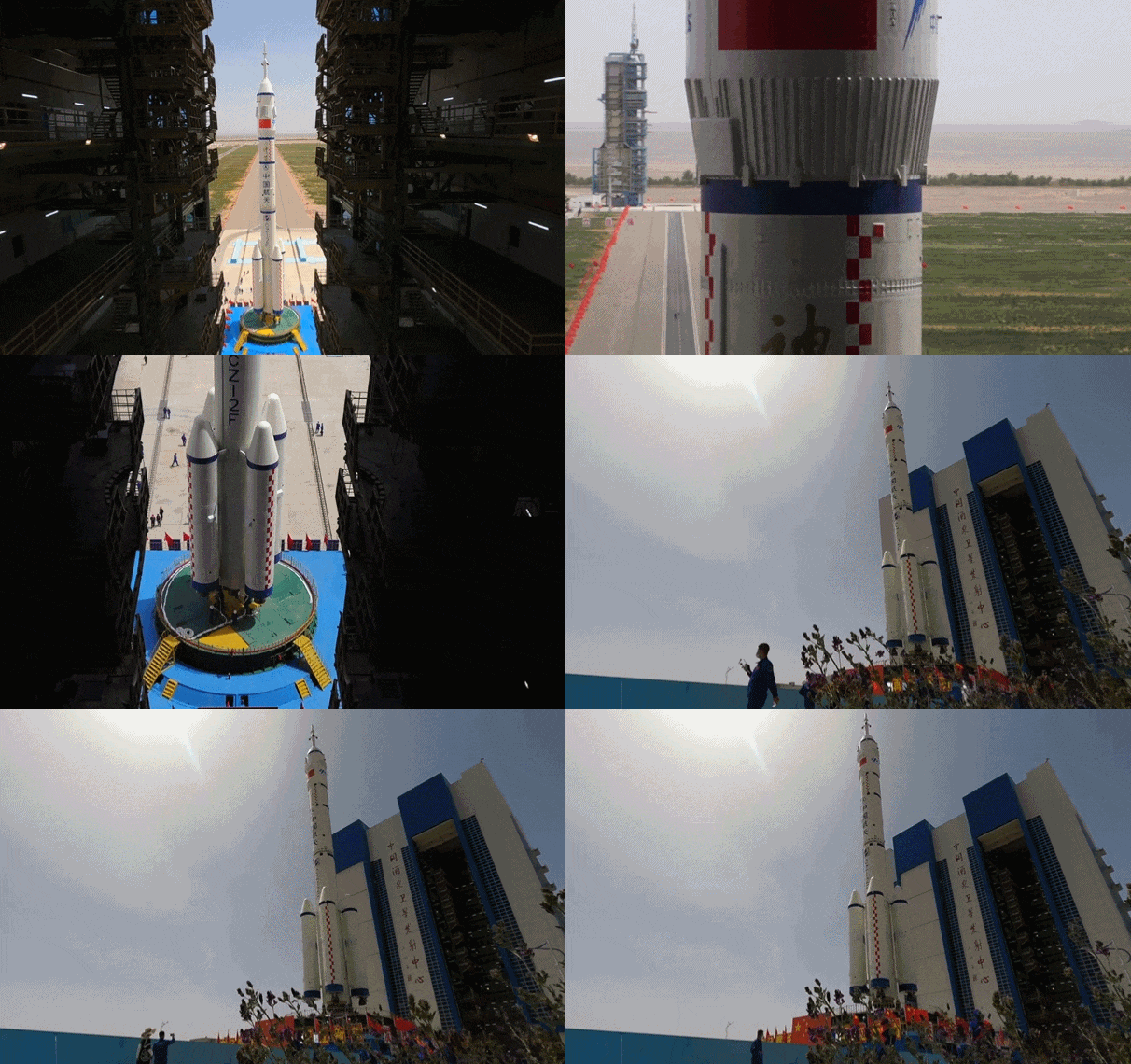
vertical transfer
Currently, China’s crewed launch vehicles widely adopt the “Tri-Vertical” model: vertical assembly, vertical testing, and vertical transfer.
Vertical assembly means that the rocket and the spacecraft are first assembled and undergo all necessary tests inside the assembly and testing building.
After that, the spacecraft-rocket combination forms a complete and stable structure. From this point until liftoff, the combination remains in a standing position, which minimizes changes in the rocket’s center of gravity during transportation and ensures the stability of its condition.
Once it rolls out of the assembly and testing building, it is transported upright along pre-laid seamless steel rails to the launch position.
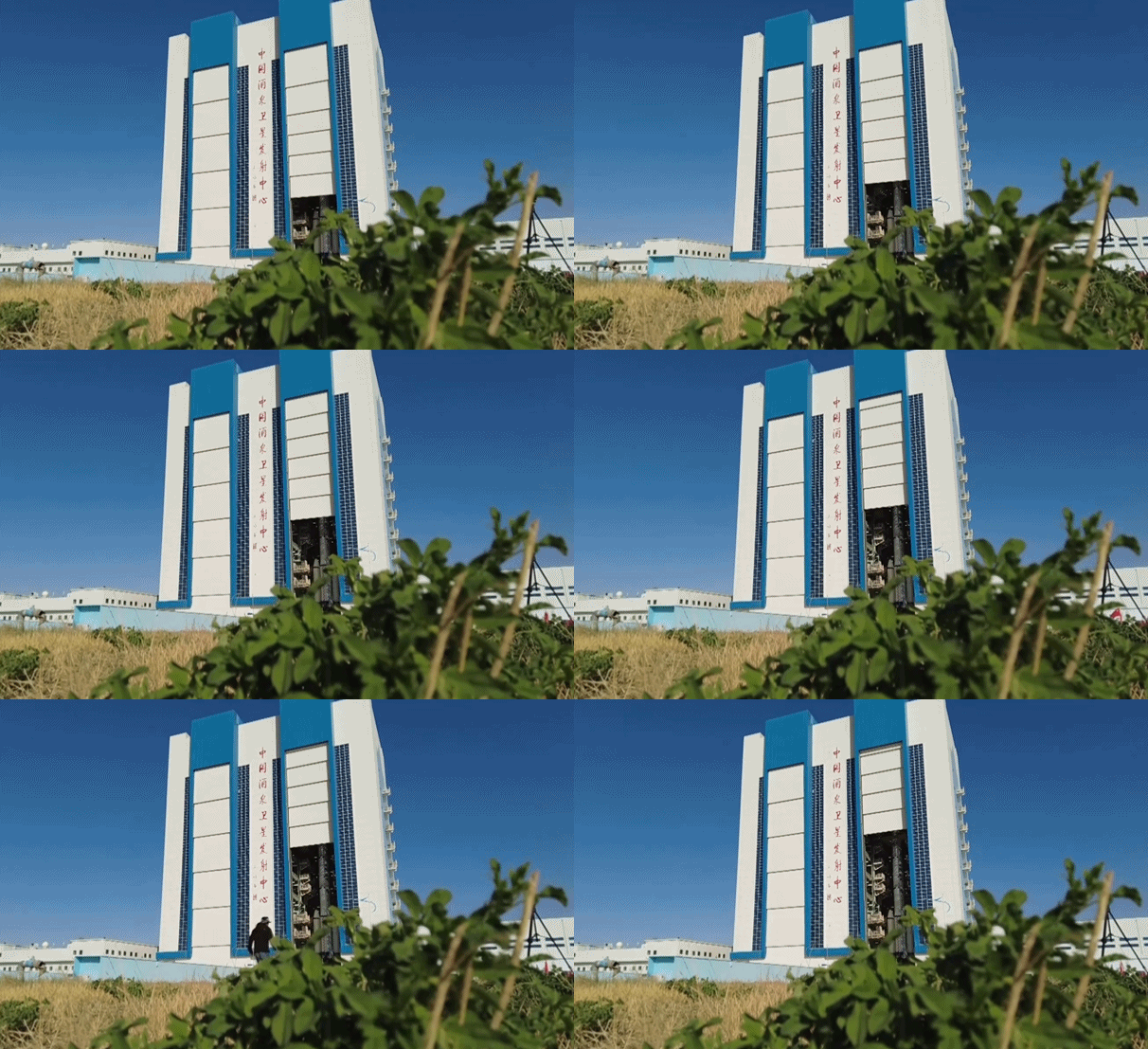
the Jiuquan Satellite Launch Center Vertical Assembly and Testing Building
Why Doesn’t the Rocket Tip Over?
Take Shenzhou-23 as an example. The spacecraft-rocket combination being transported stands nearly 60 meters tall and weighs more than 40 tons, yet it is connected to the mobile platform by only four support points at its base. With a high center of gravity and such a small support footprint, the entire assembly resembles a tall, slender giant — so every step of the journey must be taken with extreme caution.
To solve the instability problem, engineers custom-designed a super-heavy mobile launch platform. It serves as the assembly and testing stand, the transport vehicle, and ultimately the load-bearing base at liftoff. With the platform included, the entire assembly reaches nearly 70 meters in height and exceeds 700 tons in total mass. During transport, this immense weight firmly presses down the center of gravity and securely cradles the entire spacecraft-rocket combination. Even at the moment of liftoff, when the rocket spits out scorching exhaust plumes at 2,500 degrees Celsius, the platform remains as steady as a rock.
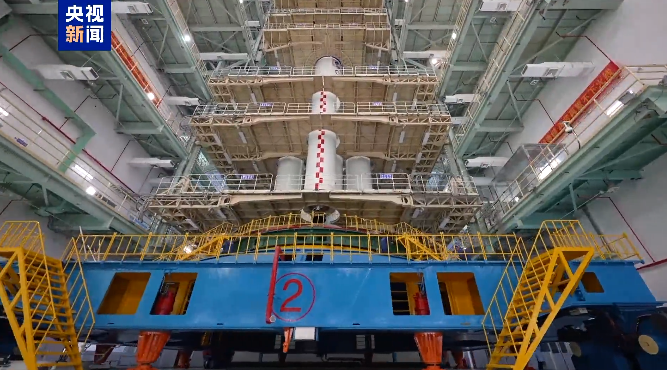
mobile launcher platform
This rock-steady reliability is achieved only after undergoing a series of nearly stringent mechanical performance verifications. From controlling the center of gravity as the rocket “walks” upright, to the extreme temperatures and dynamic loads borne by the launch platform, behind every critical indicator lies specialized testing equipment and repeated test validations.
Enpuda has always been dedicated to the advancement of the aerospace industry, focusing on the R&D and production of industrial systems and testing machines, and providing critical testing technology and equipment support for launch vehicles, engines, and launch support systems:
1.Variable Temperature Gradient Thermal Shock Test Rig
This test rig is primarily used to simulate the severe temperature changes experienced by military aero-engines in actual operating environments, targeting components directly exposed to high-temperature combustion gas, such as turbine rotor and stator blades, flame tube floating wall tiles, and exhaust nozzle variable flaps.
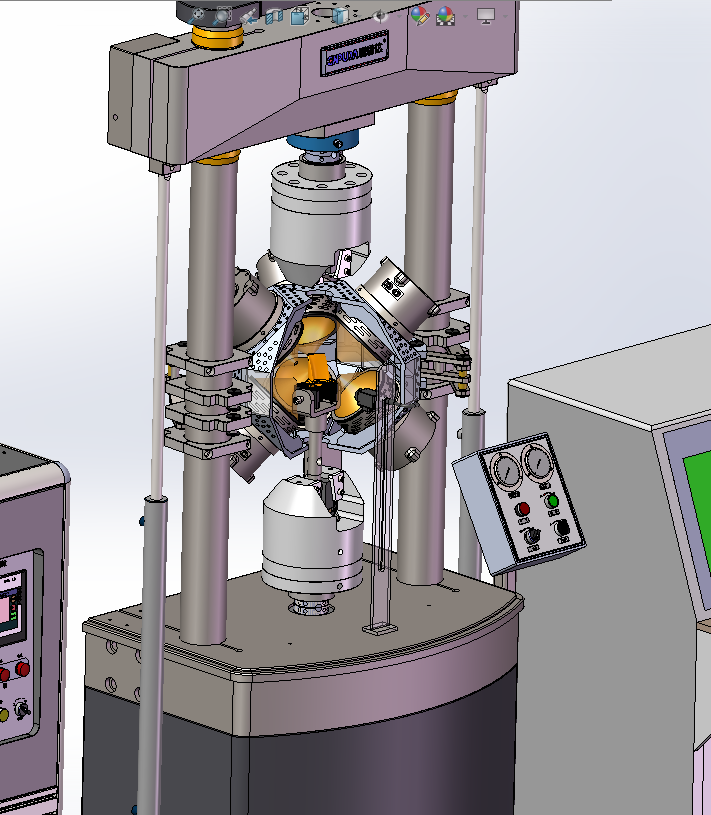
By conducting thermal shock tests under coupled temperature and mechanical loads, the thermal shock resistance and structural reliability of these components under extreme thermal transient conditions can be evaluated.
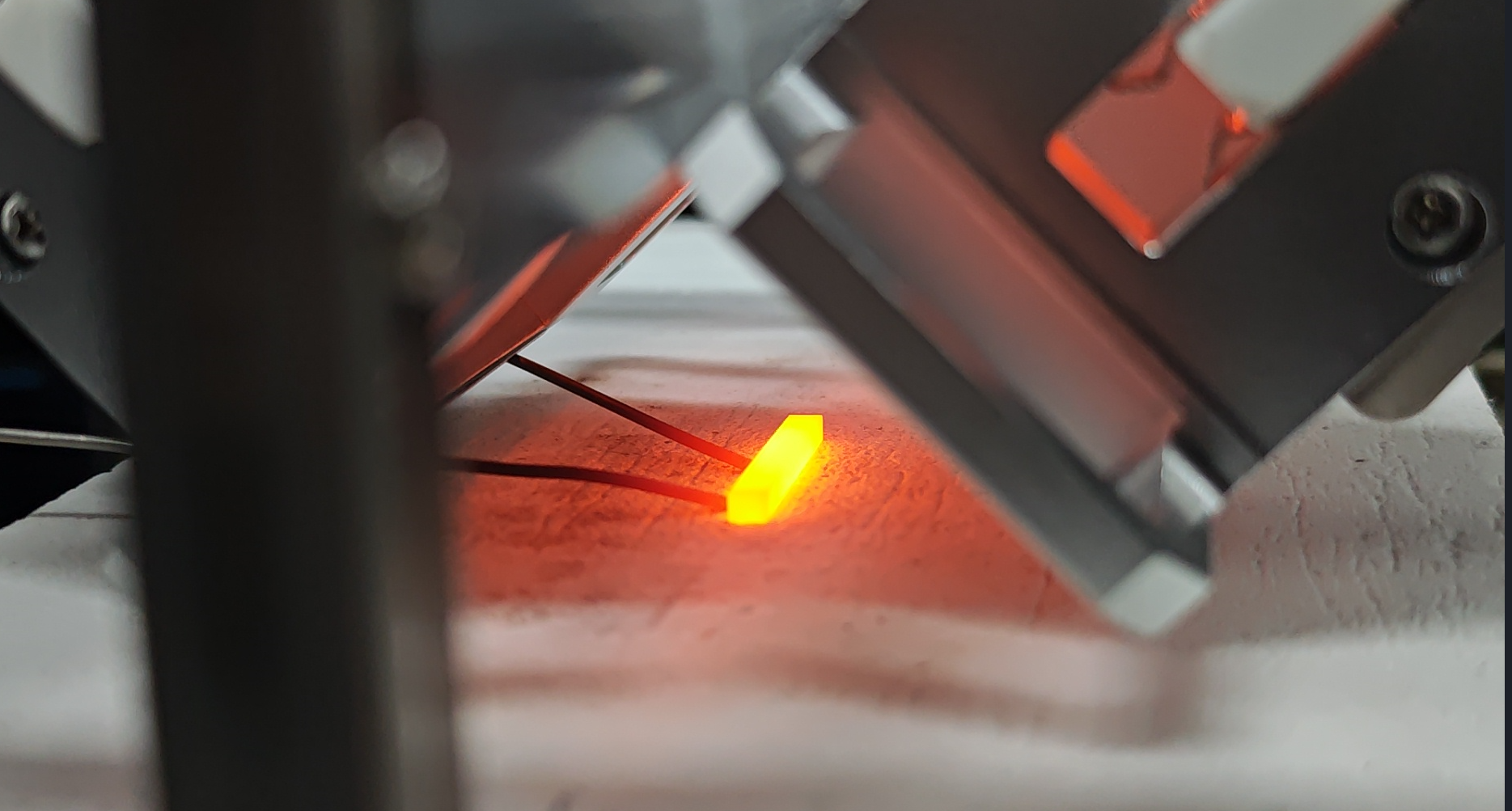
2.Anti-Vibration Clamping Test Rig
This equipment is primarily used for static loading tests in anti-vibration clamping applications,serving as the core apparatus for simulating the centrifugal forces experienced by gas turbine blades during actual operation. The rig is designed with a weight far greater than that of the blade under test, thereby providing extremely high mass and foundation rigidity, which effectively avoids the modal frequency range of the blade being tested. The fixture tooling and blade mounting interfaces are machined to a 1:1 actual dimensional accuracy to more realistically replicate the tolerances and clearances found in real assembly and operation.
The system employs high-precision digital servo control with closed-loop displacement and force control, enabling constant load-rate loading or step-by-step loading, and delivers high control accuracy and excellent reliability.
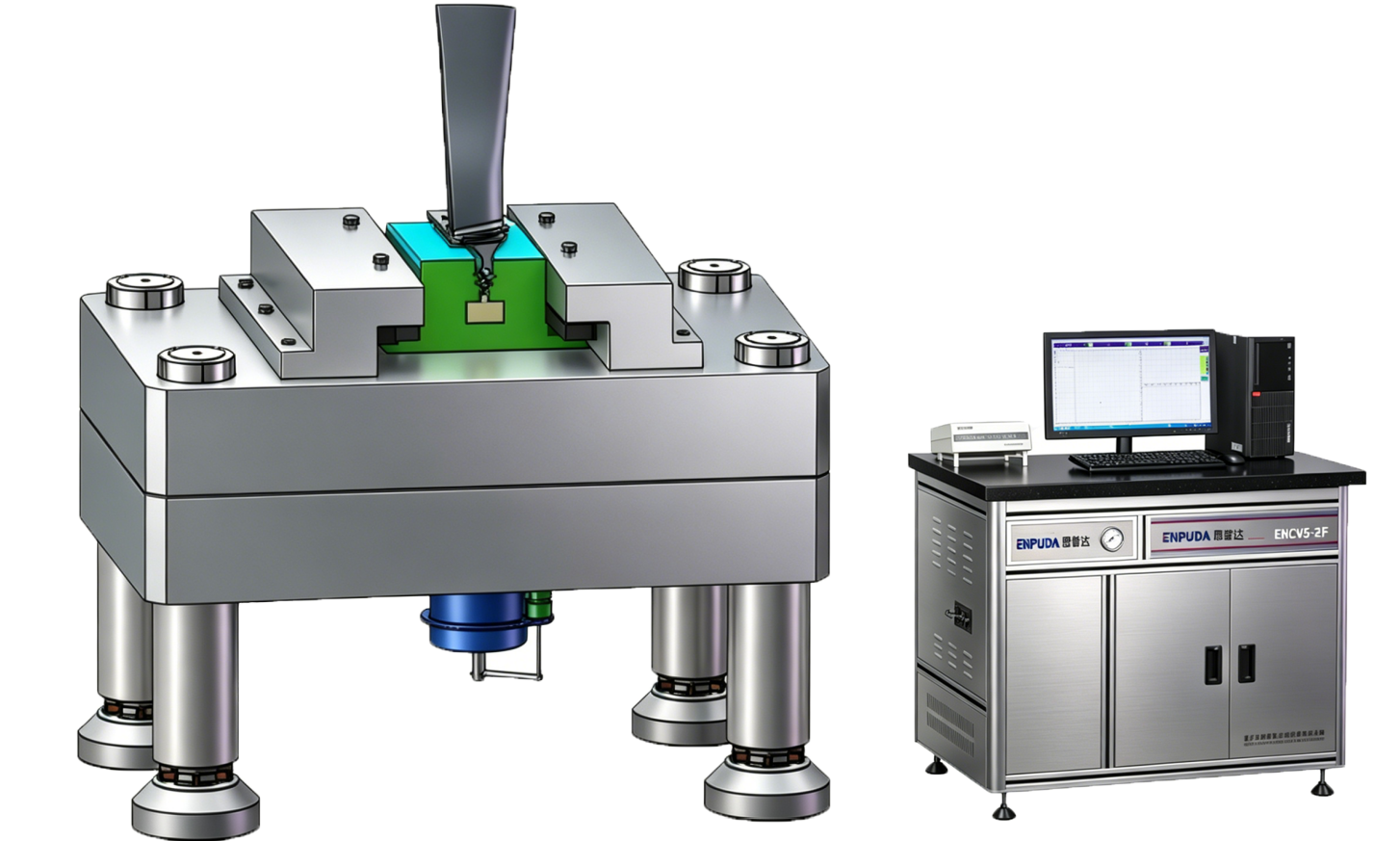
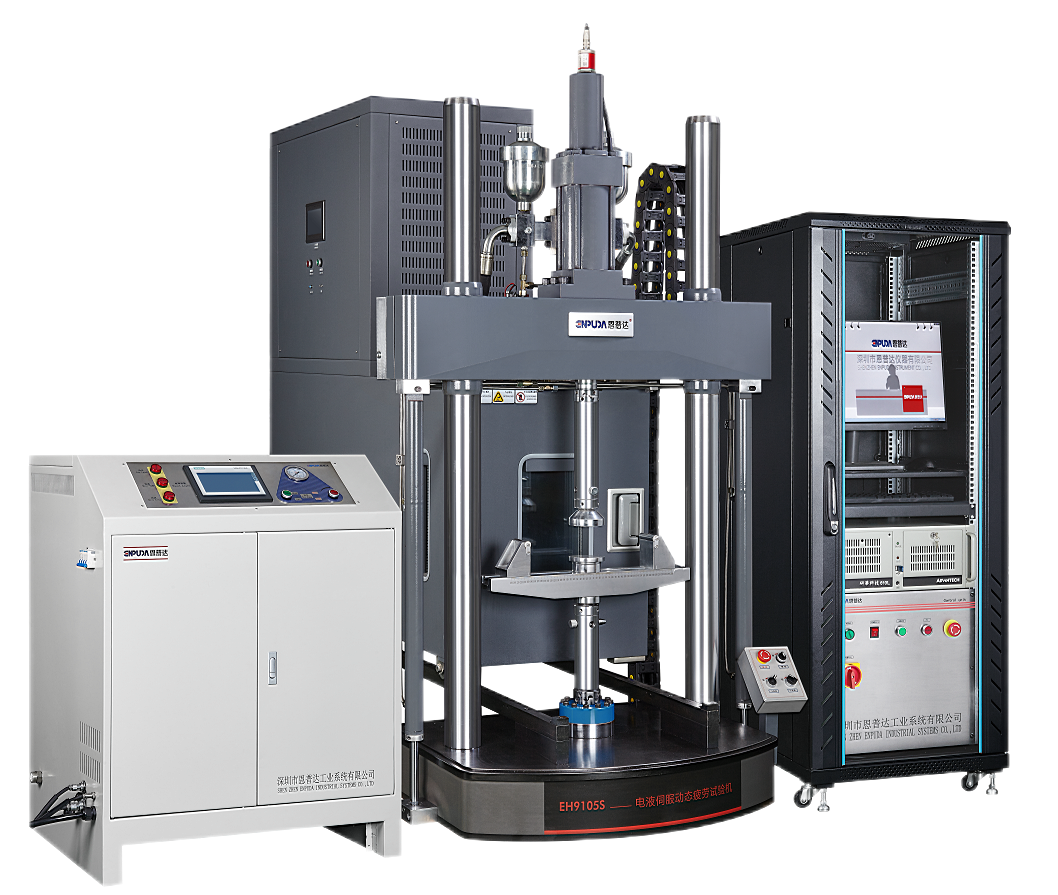
3. Dynamic Fatigue Testing Machine
To address the low-frequency vibration and long-term cyclic loads experienced by the mobile launch platform during vertical transfer, the dynamic fatigue testing machine can simulate its real-world condition of traveling back and forth along hundreds of meters of rail track, evaluating the fatigue limits of critical components.
Once you understand the vertical transfer of a rocket, you will realize that behind a successful launch lies not only ingenious design, but also round after round of rigorous and meticulous testing and verification.
Post time: Aug-13-2026

